Mastering Power and Precision: Babolat Technical Viper 3.0 Review for Competitive 40+ Players
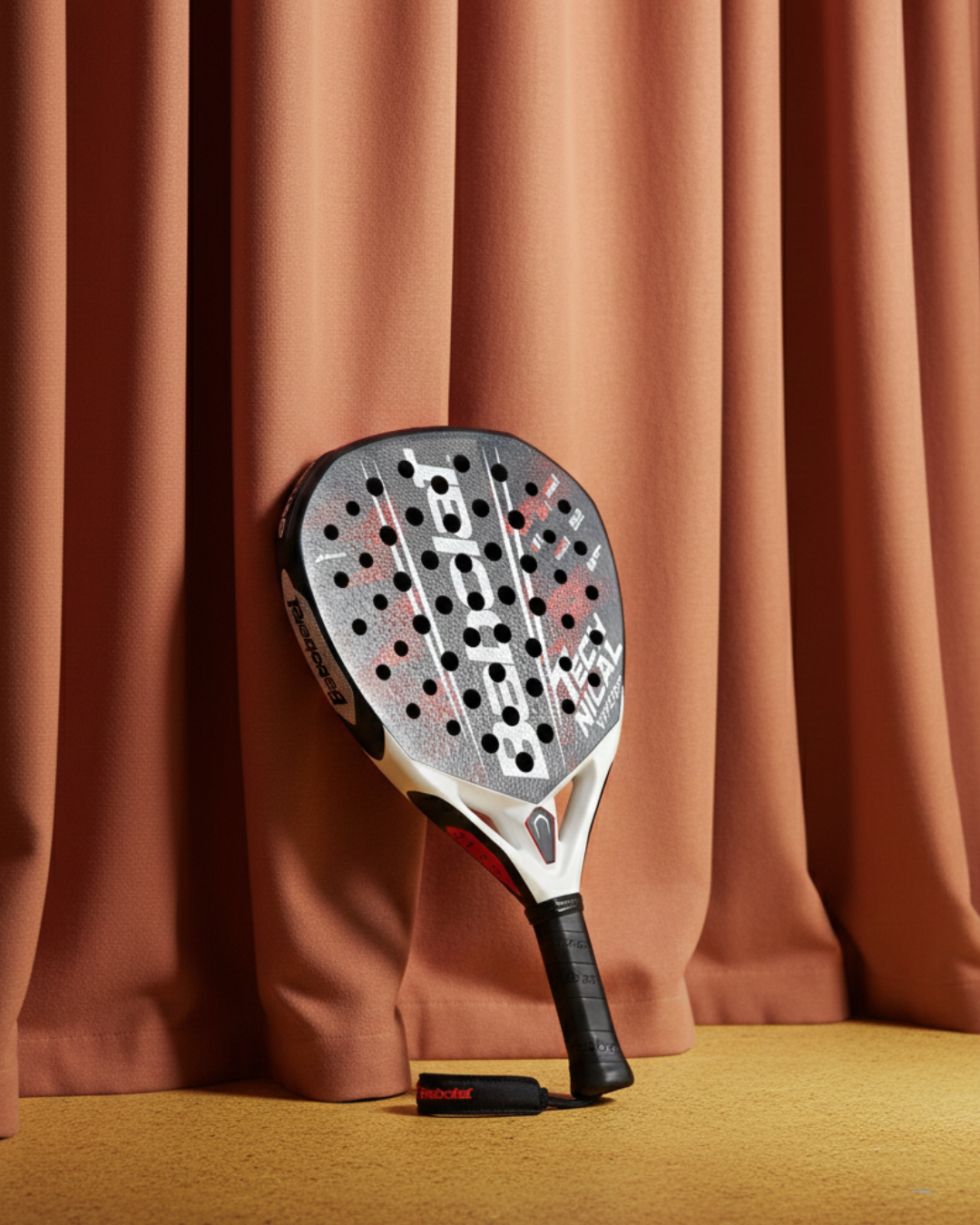
Ideal Player Profile
The Babolat Technical Viper 3.0 is best suited for advanced, aggressive players who rely on clean technique and like to dominate the point with power. It favors players comfortable with heavier rackets and those who can consistently hit the sweet spot. Club competitors and experienced 40+ or 50+ players who value explosive overheads but want some vibration control will find this racket appealing.
Who Should Buy This Racket
Players who prioritize offensive game and smashes.
Experienced players who can handle a head-heavy, stiff frame.
Those seeking a reactive, precise racket for powerful volleys and attacking net play.
Who Should Avoid It
Beginners or casual players lacking consistent technique.
Players sensitive to elbow or shoulder strain.
Those preferring a more forgiving, control-oriented racket for defensive play.
Price
Price in Euros: Around €335
Price in USD: Approx. $365
Market positioning: Premium
Who it’s realistically for: Advanced club players with a solid budget who want a high-performance power racket.
Weight & Balance
Listed weight: 360 g -375 g
On-court balance feel: Head heavy
Physical demand level: High
Fatigue factor over long matches: Medium-high; arm comfort improves with proper warm-up and technique, but extended play can be tiring for less conditioned arms.
Shape
Diamond
Natural bias: Offensive
Sweet spot location: High, near the tip for maximum impact and smash potential.
Materials & Construction
Face material: 3K carbon
Core type: EVA rubber with Carbon Power Layer
Frame composition: Carbon reinforced with Dynamic Stability System
Surface texture: Rough for spin and slice
How materials translate into feel: Stiff, highly reactive, and precise; energy transfer is excellent but requires clean technique to avoid mishits.
Sweet Spot & Forgiveness
Sweet spot size: Medium-small
Off-center stability: Moderate; mishits can feel sharp if technique is off
Margin for error under pressure: Low; precision is key.
Maneuverability
Speed in hand: Moderate; feels heavier at the net but manageable once timed
Net exchanges: Requires solid timing; volleys can be sharp and effective
Reaction defense: Acceptable, though head-heavy feel slows rapid adjustments
Defense → attack transition: Powerful once positioned correctly; not ideal for last-moment defensive swings.
Feel
Medium-hard
Dry vs reactive: Highly reactive; transfers energy efficiently
Feedback clarity: Very clear; you know immediately when you hit the sweet spot
Comfort level: Medium; vibration absorption reduces risk of strain, but heavy head can fatigue shoulder/elbow if overplayed.
Power
Overhead power: High; smashes are penetrating and heavy
Smash potential: Excellent; rewards clean technique
Vibora / Bandeja performance: Heavy and spin-friendly; aggressive shots are highly effective
Does it generate easy power or require full swing commitment? Requires commitment; cannot rely on passive swing.
Control
Directional accuracy: High when sweet spot is struck
Defensive precision: Adequate but less forgiving on off-center hits
Reset capability: Good, but requires solid technique
Touch play: Responsive, especially on volleys and drop shots.
Defense
Back glass recovery: Moderate; head-heavy feel requires anticipation
Stability under pressure: Stiff frame provides precision, but off-center hits are punishing
Ease of lifting lobs: Acceptable; not as effortless as a control-focused racket.
Final Verdict
The Babolat Technical Viper 3.0 is a high-performance power racket designed for aggressive, experienced players. Its stiffness, diamond shape, and carbon construction deliver explosive smashes and sharp volleys, rewarding precise technique. Players who can consistently hit the sweet spot will appreciate its reactivity and the heavy, cutting shots it enables.
However, this racket demands respect; off-center strikes are noticeable, and long matches can tire less conditioned arms. For 40+ and 50+ players who have the experience and want a premium power tool without completely sacrificing comfort, it’s a solid choice. For those prioritizing forgiveness, control, or lightweight maneuverability, alternatives may be better suited.
5 Similar Rackets to Consider
Adidas Metalbone HRD+ – Slightly more forgiving for aggressive players; better for those who want similar power but with more manageable weight.
Head Graphene 360+ Alpha Pro – Offers a more balanced feel; ideal for players who want both control and offensive capability.
Nox ML10 Pro Cup – Less head-heavy and softer; suits 40+ players seeking comfort while maintaining offensive play.
Bullpadel Vertex 03 Comfort – Diamond shape with added comfort; trades some raw power for longer match play ease.
StarVie Raptor Pro – Reactive and precise like the Technical Viper; slightly easier on the arm for older players.
Racket & Brand History
The Babolat Technical Viper 3.0 represents a full redesign over previous Technical Viper models, integrating 3K carbon and Carbon Power Layer for optimized energy transfer. It is built for aggressive play and precision, targeting competitive club players seeking maximum power.
While not officially tied to a single star player, the Technical Viper line is associated with advanced offensive play and aggressive left-side positioning, reflecting Babolat’s focus on professional-caliber performance.
Babolat is widely respected in the padel community for premium craftsmanship, innovation, and consistency. The brand has positioned itself in the upper mid-range to professional market, catering to players who value performance, durability, and high-quality materials over cost savings.
